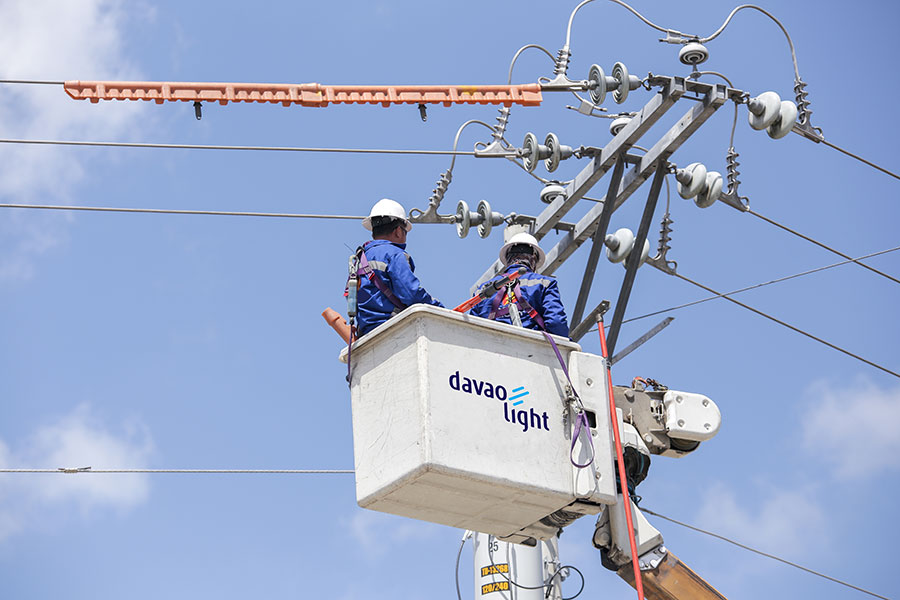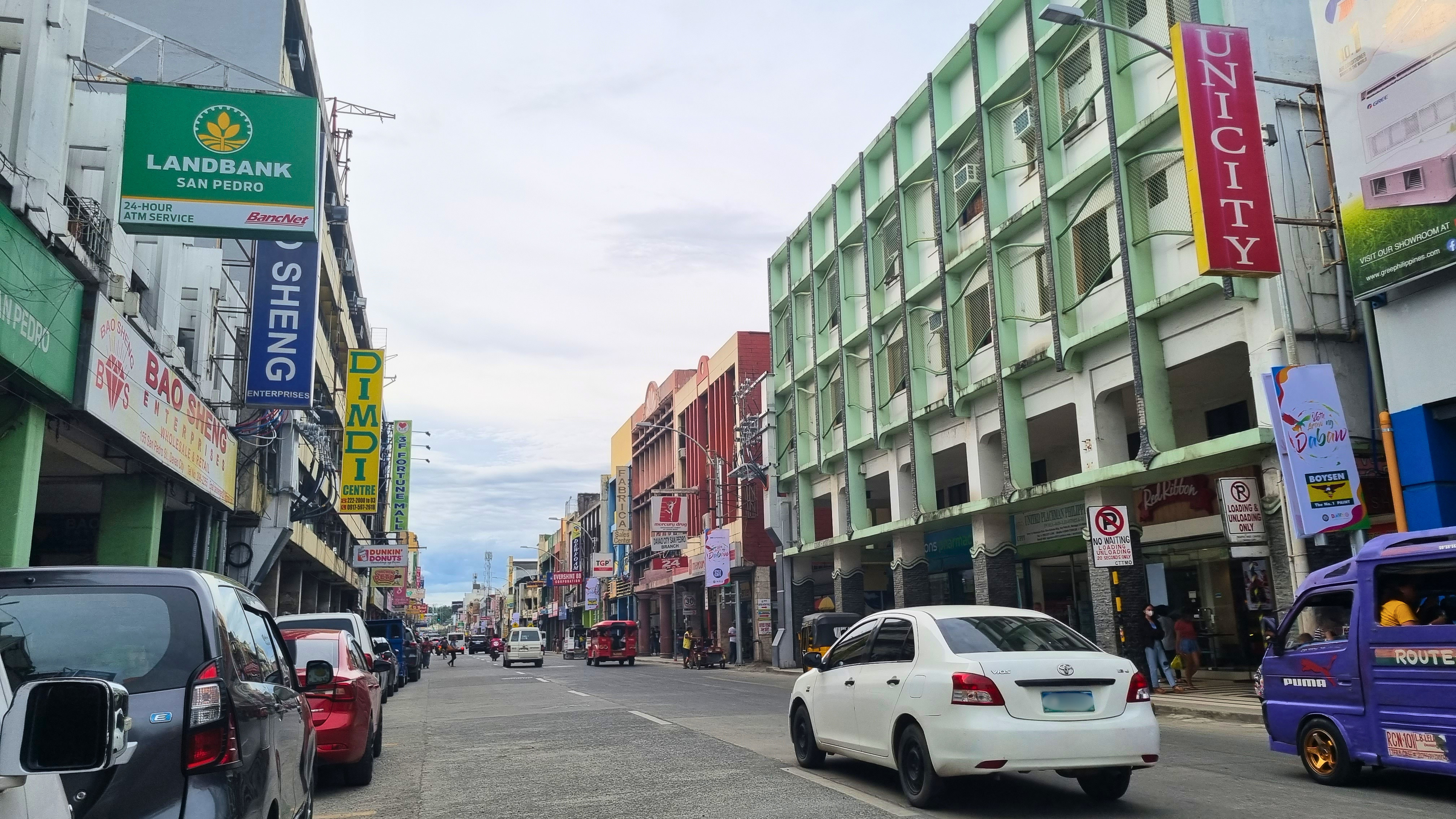
Practicing prudence and efficiency in the use of fuel in our cars, as well as electricity in our public and private spaces, can help manage overall energy conservation, regardless if the energy system is in a tight condition or not.
by Suiee Suarez, AboitizPower VP for Corporate Affairs
If there are any silver linings in today’s national energy emergency, one is perhaps the renewed emphasis on practicing energy conservation, or the more prudent and efficient use of fuel and electricity in the day-to-day. With concern over energy supply and price, the current situation teaches us (whether we like it or not) to prioritize the essentials over the nonessentials, lest we’re willing to pay the additional cost.
While geopolitics and its outcomes are certainly beyond our control, personal consumption is one of the things that we can manage. As a leader in our company once said, “Energy is produced only if it is consumed. At the root of the demand are our collective behaviors, needs, and desires.”
While it is not all up to the individual end-user, each one can do his or her part. It is within anyone’s personal capacity, for example, to walk, bike, or use public transportation when able and practical, unplug electronics when not in use, or maximize natural lighting instead of flicking on the switch. In terms of technology, there are also accessible energy-saving alternatives such as LED lightbulbs, as well as inverter-type refrigerators and air conditioners that we can avail of.
A pro tip in air conditioners would be to set the thermostat to an already comfortable 24-25 ℃, while using fans. As opposed to a 16-18 ℃ setting — which would make the machine work harder and consume more but won’t cool a room that much faster — doing it is estimated to save hundreds to thousands of pesos worth of energy consumption. Though this still depends on machine type and usage.
Just recently, the Department of Energy reported that 158 malls adopted energy efficiency measures in response to the national energy emergency and saved 23 megawatts of electricity over 19 days. Similarly, a 14% reduction in fuel and electricity use (or about 0.70 megawatts in savings) was observed in government agencies after they conducted their own fuel and operational efficiency strategies.
Being in the power generation business, we can say that a kilowatt-hour saved is a kilowatt-hour we do not need to produce.
In any event, energy conservation must persist. Even during normal economic conditions, we, collectively as a society, are prone to the prosperity paradox, wherein greater energy efficiency and affordability paradoxically lead to more consumption, thus offsetting the gains and savings initially created.
At the onset, this isn’t necessarily a bad thing, especially when in the context of social mobility. Take, for instance, how more and more sitios and barangays in the Philippines are being connected to electric grids, making computers, air conditioners, and refrigerators available and viable to the previously unserved and underserved for the very first time. Considering the rise in temperatures and populations, air conditioners and refrigerators save and sustain lives through their space cooling and food storage functions, respectively.
However, on the negative side, the prosperity paradox can lead to more waste, which can inadvertently add pressure to the energy supply and price. While the word “prosperity” evokes the growth of the economic pie and the uptrend in personal income and spending power, the “paradox” is in how, regardless of technological leaps in efficiency, our own neglectful behavior and desire for excess, when taken together, can lead to overconsumption and more cost in the macro view.
In fact, as the Independent Electricity Market Operator of the Philippines or IEMOP observed in 2025: “While market prices show monthly fluctuations, typically spiking during summer periods or warmer months, it is also notable that smaller margins between demand and supply correspond to higher rates than the average.”
We now have access to technologies that were borne from years of evolving efficiency standards and technological innovations. While these have certainly changed the way society consumes energy, our collective behaviors, needs, and desires are as important, if not more so, in determining the health of the system, regardless if it is in crisis or not.
We must practice energy conservation and exercise prudence and efficiency in our personal consumption to minimize waste. Our simple micro-habits, when taken into consideration, will amount significantly to overall energy efficiency.